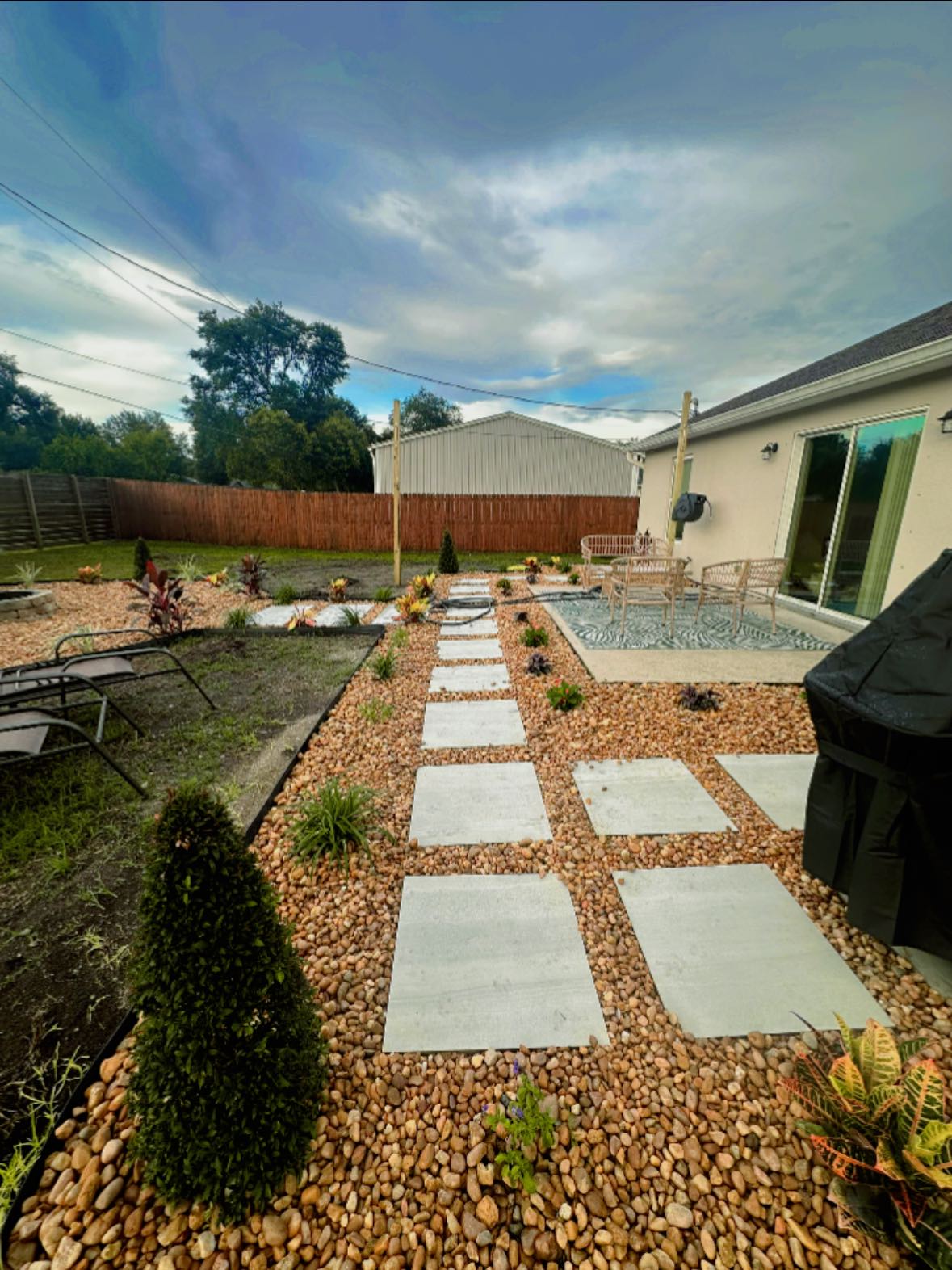
From Lawn to Lush: Rize N’ Grind’s Guide to Creating a Biodiverse Garden Apr 05, 2026
Start by understanding the importance of biodiversity in gardening. Biodiverse gardens are not just aesthetically pleasing; they also play a crucial role in sustaining wildlife and promoting ecological health. By fostering a variety of plants, you support a plethora of insects and animals, creating a self-sustaining ecosystem that can withstand pests, diseases, and changing climates.
The first step in your journey is choosing the right plants. Focus on native species that are adapted to your local climate and soil conditions. These plants require less maintenance and support local wildlife, ensuring a thriving garden ecosystem. Visit local nurseries and inquire about native plant varieties that attract pollinators like bees and butterflies.
To enhance the biodiversification of your garden, prioritize diversity in plant types. Incorporate a mix of shrubs, flowers, trees, and groundcovers. Each layer of vegetation caters to different species and provides a range of habitats. A diverse array of plants also ensures year-round interest in your garden, with blooms and foliage appearing at different times.
Water management is another critical aspect of a biodiverse garden. Consider installing rain gardens or using mulch to retain moisture. These practices not only conserve water but also prevent erosion and manage runoff, promoting healthier plant growth. By integrating water-conscious techniques, you create a sustainable environment that supports life in various forms.
Maintaining soil health is vital for any garden aiming for biodiversity. Practice composting and use organic fertilizers to enrich your soil with nutrients. Healthy soil leads to robust plant growth and fosters a habitat for beneficial microorganisms and insects. Regularly testing your soil helps you understand its needs and adjust your gardening practices accordingly.
Another essential element in creating a biodiverse garden is shelter. Provide spaces for various creatures by including birdhouses, rock piles, or logs. These small additions give animals refuge and breeding grounds, encouraging a flourishing ecosystem within your garden.
Encouraging beneficial insects is a natural way to control pests without resorting to harmful chemicals. Ladybugs, lacewings, and certain beetles help keep pest populations in check while bolstering the biodiversity of your garden. Planting certain flowers, such as marigolds or yarrow, can attract these helpful insects.
As you plan and maintain your garden, remember to adapt and experiment. Each garden is unique, and part of the joy in gardening is discovering what works best for you and the environment. Monitor how different plants and wildlife interact, and be open to making adjustments to cultivate a thriving garden space.
In conclusion, transforming your lawn into a lush, biodiverse garden can be a fulfilling endeavor, offering significant ecological benefits. With Rize N’ Grind's expertise, you can create a thriving garden that supports local wildlife and provides year-round beauty. Embrace the diversity of nature and see your garden become a flourishing sanctuary. Whether you're a seasoned gardener or a novice, this approach not only beautifies your space but contributes positively to local biodiversity.
/filters:no_upscale()/filters:format(webp)/media/35d42cac-161e-4325-8295-ddb61ab2a536.jpg)
/filters:no_upscale()/filters:format(webp)/media/7cfb25ec-7c40-4c40-9704-8c29ebbb0637.jpeg)