Year-Round Lawn Resilience: Drought-Tolerant Landscaping Techniques Feb 01, 2026
To begin, it’s essential to understand what drought-tolerant landscaping is. Essentially, it involves selecting plants and designing landscapes that require minimal irrigation, thus thriving even when water is scarce. This method is gaining popularity not only for its environmental benefits but also for the reduced maintenance it requires, saving you both time and resources.
The cornerstone of drought-tolerant landscaping is choosing the right plants. Native plants are often the best choice as they are naturally adapted to the local climate and soil conditions. Succulents, ornamental grasses, and certain perennial flowers are excellent examples of drought-resistant flora. These plants are typically characterized by deeper root systems that allow them to access moisture far below the soil surface, making them perfect for enduring extended periods without water.
Incorporating mulch into your landscaping strategy is another effective way to boost drought resistance. Mulch acts as an insulating layer over the soil, significantly reducing water evaporation, and helping to retain moisture. It also moderates soil temperature, suppresses weed growth, and adds organic matter as it breaks down. Opt for organic mulches like wood chips or bark, which are not only eco-friendly but also enhance the aesthetic appeal of your garden.
Efficient irrigation is crucial for maintaining a drought-tolerant landscape. Drip irrigation systems are highly recommended because they deliver water directly to the plant roots, minimizing waste and runoff. Setting up a smart irrigation system that adjusts watering schedules based on weather conditions and soil moisture can also optimize water usage further. In addition, watering during the early morning or late evening can reduce evaporation, ensuring more water reaches the soil.
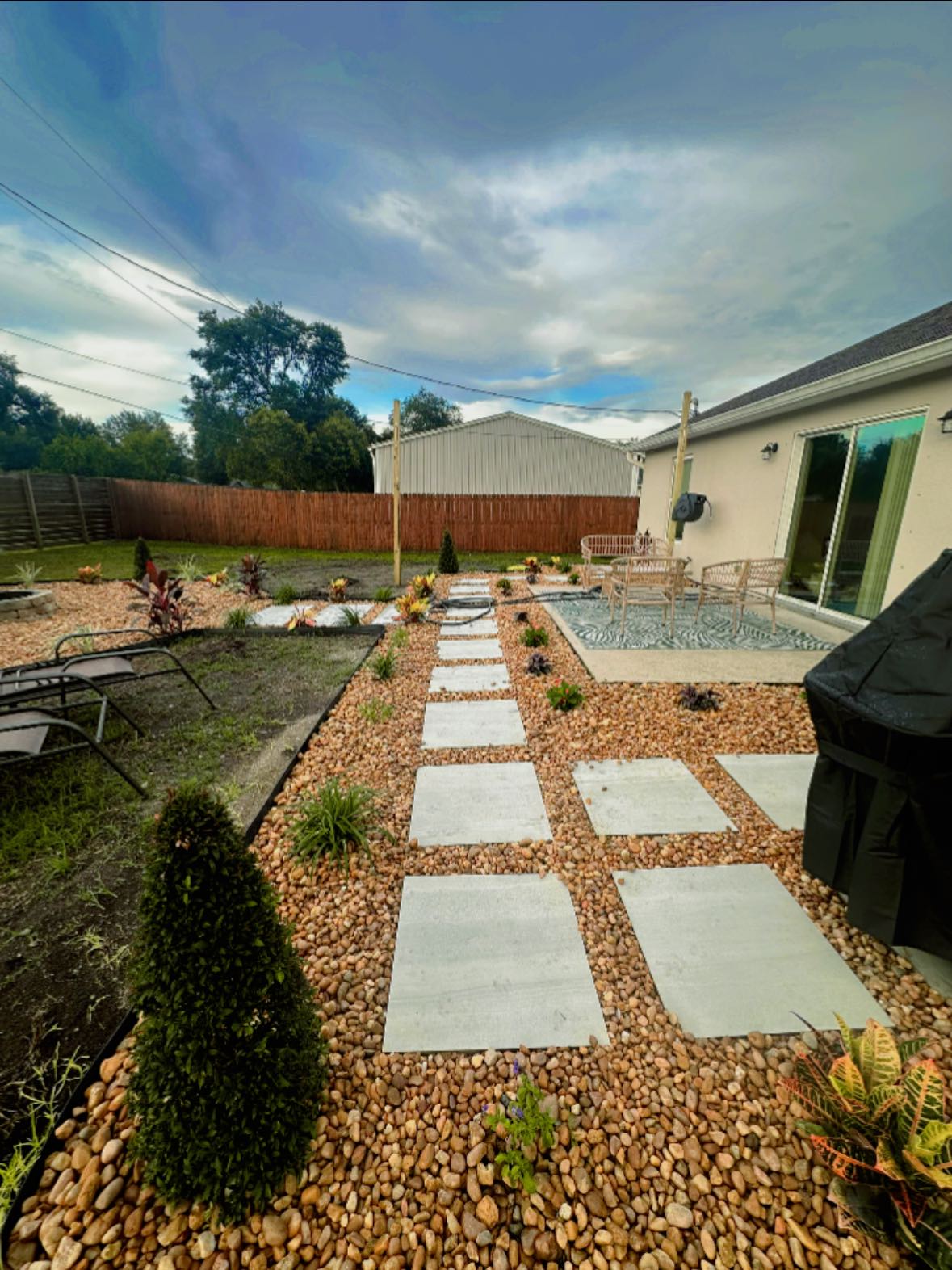
Consider redesigning your lawn space entirely by implementing hardscaping features. Using decorative stones, permeable pavers, and gravel paths not only reduces the area that requires watering but also adds visual interest and diversity to your landscape. These elements can be beautifully integrated with your plants to create a harmonious and sustainable garden.
Finally, maintaining healthy soil is paramount. Healthy soil with good organic content can hold more water, and allows for proper root growth. It may be worth investing in soil amendments, such as compost or well-rotted manure, to improve the soil structure and fertility.
In conclusion, adopting drought-tolerant landscaping techniques with guidance from Rize N’ Grind enables homeowners to create sustainable, low-maintenance outdoor spaces that withstand the test of time. Whether it's through careful plant selection, efficient watering practices, or innovative landscape design, embracing these strategies ensures not only the beauty of your property but also contributes towards environmental sustainability.
Rize N’ Grind is committed to helping you transform your yard into a thriving ecosystem by providing expert support and tailored landscaping solutions. Embrace the change today, and join the movement towards a more resilient and sustainable future.
/filters:no_upscale()/filters:format(webp)/media/35d42cac-161e-4325-8295-ddb61ab2a536.jpg)
/filters:no_upscale()/filters:format(webp)/media/7cfb25ec-7c40-4c40-9704-8c29ebbb0637.jpeg)